Identify the tissue or organ
Start with anatomy, age, position, tissue boundaries, vascular connections, reproductive structures, and a healthy baseline.
Anatomy →Explore · Rotate · Zoom · Inspect · Learn
Study cannabis as a connected living system. Rotate and zoom a high-detail 3D botanical specimen, inspect anatomical regions directly, and connect each visible structure to the deeper plant-science module behind it.
3D anatomy explorer
Drag to rotate. Scroll or pinch to zoom. Hover a structure to identify it, then click or tap to focus the camera and read what that structure does. Use the module link in the inspector when you want the full lesson.
Inspect the 3D plant directly or use the focus controls above. The viewer keeps you in the specimen until you choose to open the detailed module.
Explore all plant systems →Follow a short route from roots to glandular trichomes. Each stop focuses the same 3D anatomy used by the inspector and ends with a quick learning check.
Checkpoint:
Built for close study: roots, vascular tissues, nodes, leaves, flowers, stigmas, and trichomes stay connected to the scientific lessons that explain how each structure functions.
Explore by scale
Start broad, then narrow the question. The Atlas keeps whole-plant structure, organ function, and surface anatomy connected instead of teaching each layer in isolation.
Follow the main stem, nodes, branches, canopy position, and developmental pattern.
Explore structure → 02ORGAN + TISSUEFunctional anatomyMove into blades, petioles, veins, vascular pathways, stomata, and source-sink function.
Explore tissues → 03MICROSCOPICSurface structuresInspect glandular trichomes, secretory heads, resinous surfaces, and flower-associated detail.
Explore microstructures →Anatomy index
Loading anatomy…
Use this index when a structure is too small or difficult to select precisely in 3D. Every entry stays linked to its owning plant-science system.
Atlas systems
Loading 16 systems…
Accessible system navigator
Browse all 16 plant-science systems by category. Each branch exposes the system summary, related systems, and a direct module link using native keyboard-accessible controls.
Loading accessible system navigator…
Accessible anatomy navigator
This text-first navigator provides the same canonical system routes, relationships and tool connections for keyboard, screen-reader, low-power and WebGL-fallback use.
Scientific media library
These visuals are reused only where the anatomy/process relationship is relevant. The Atlas does not insert decorative images simply to fill a media quota.
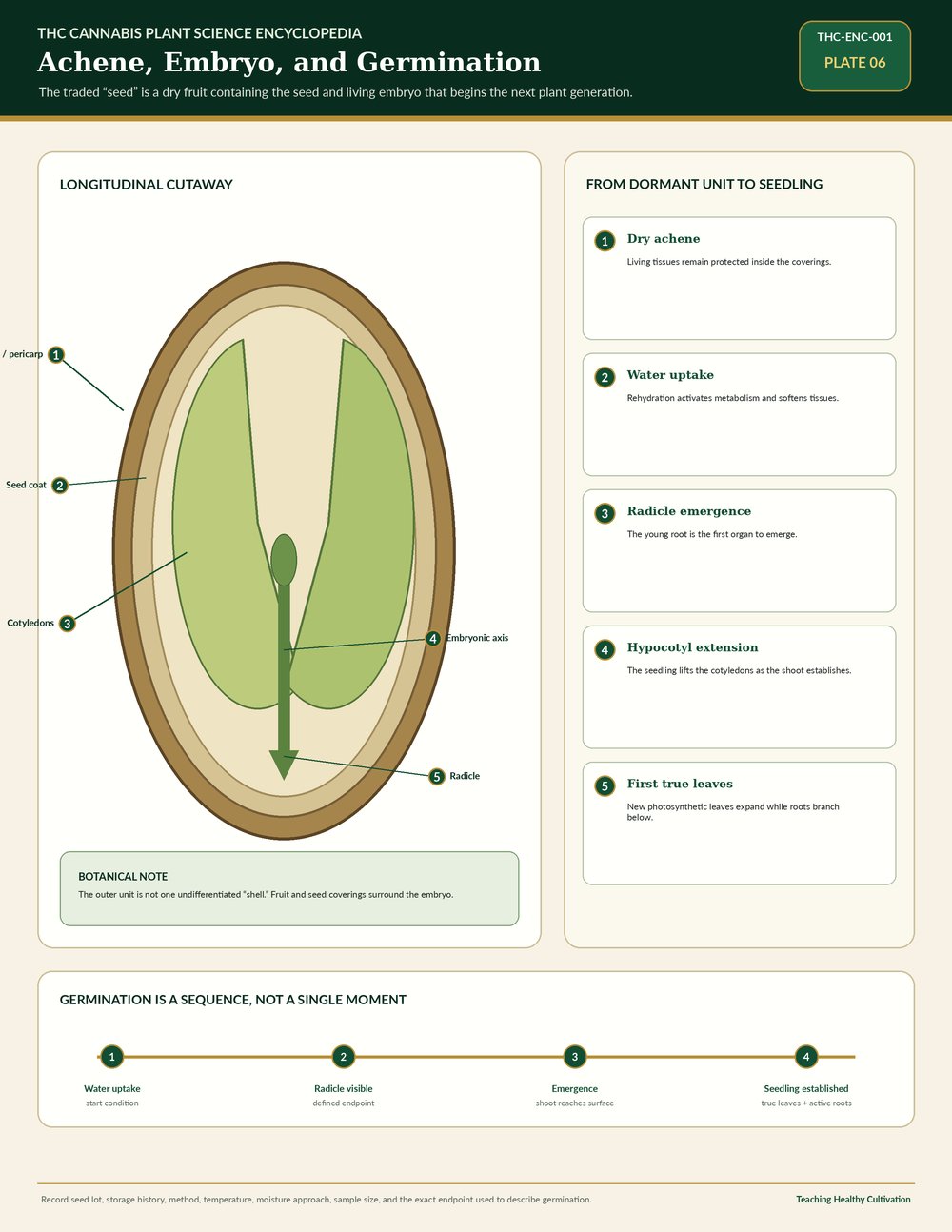
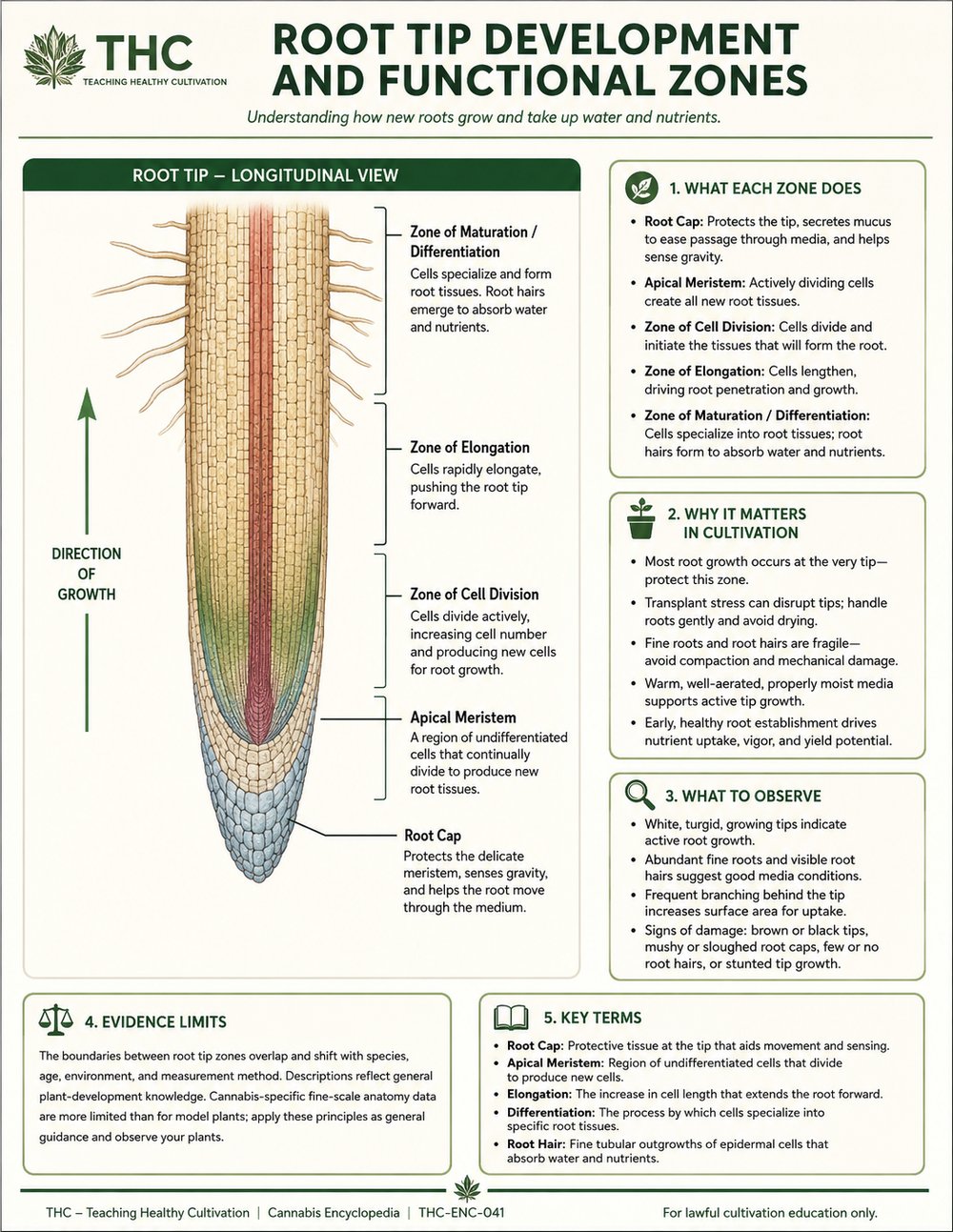
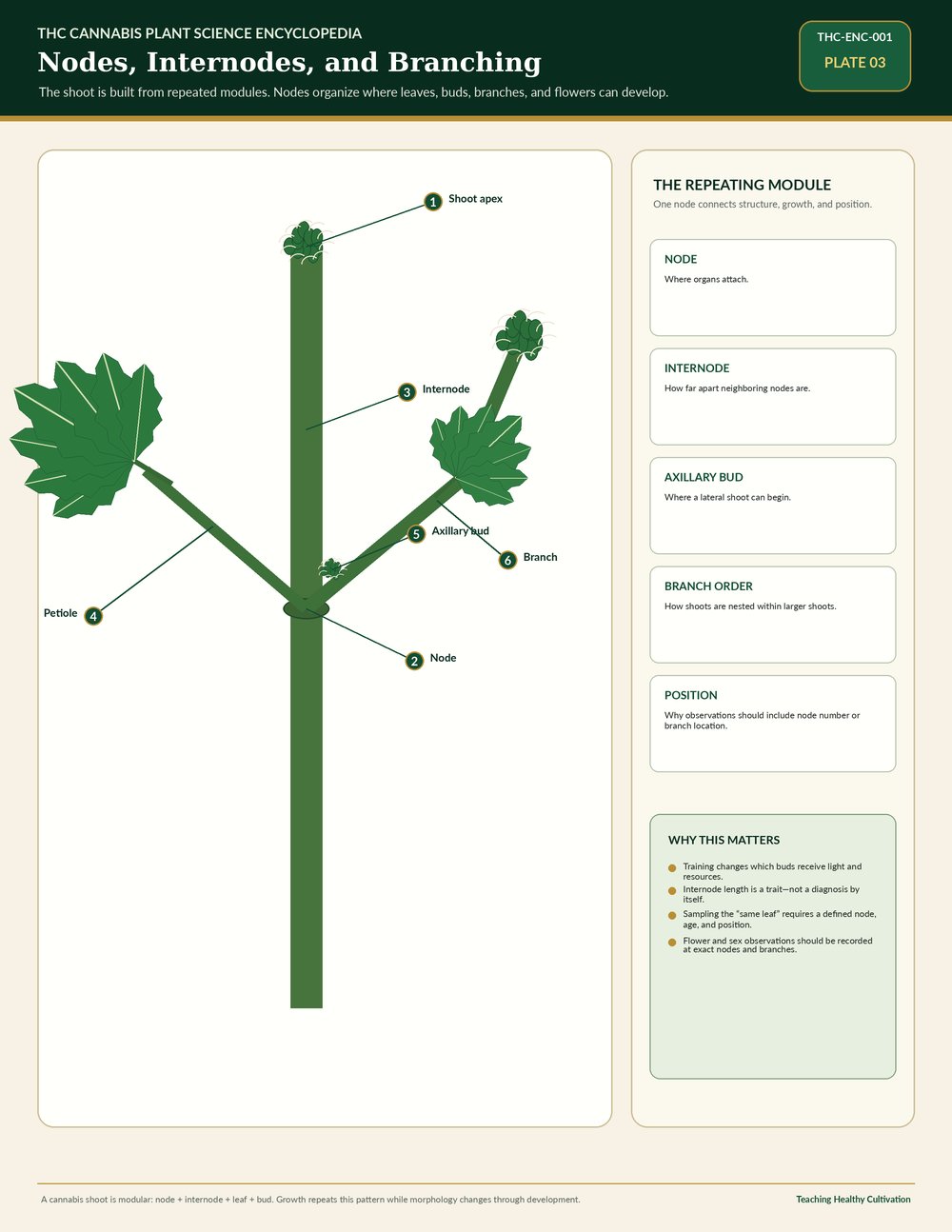
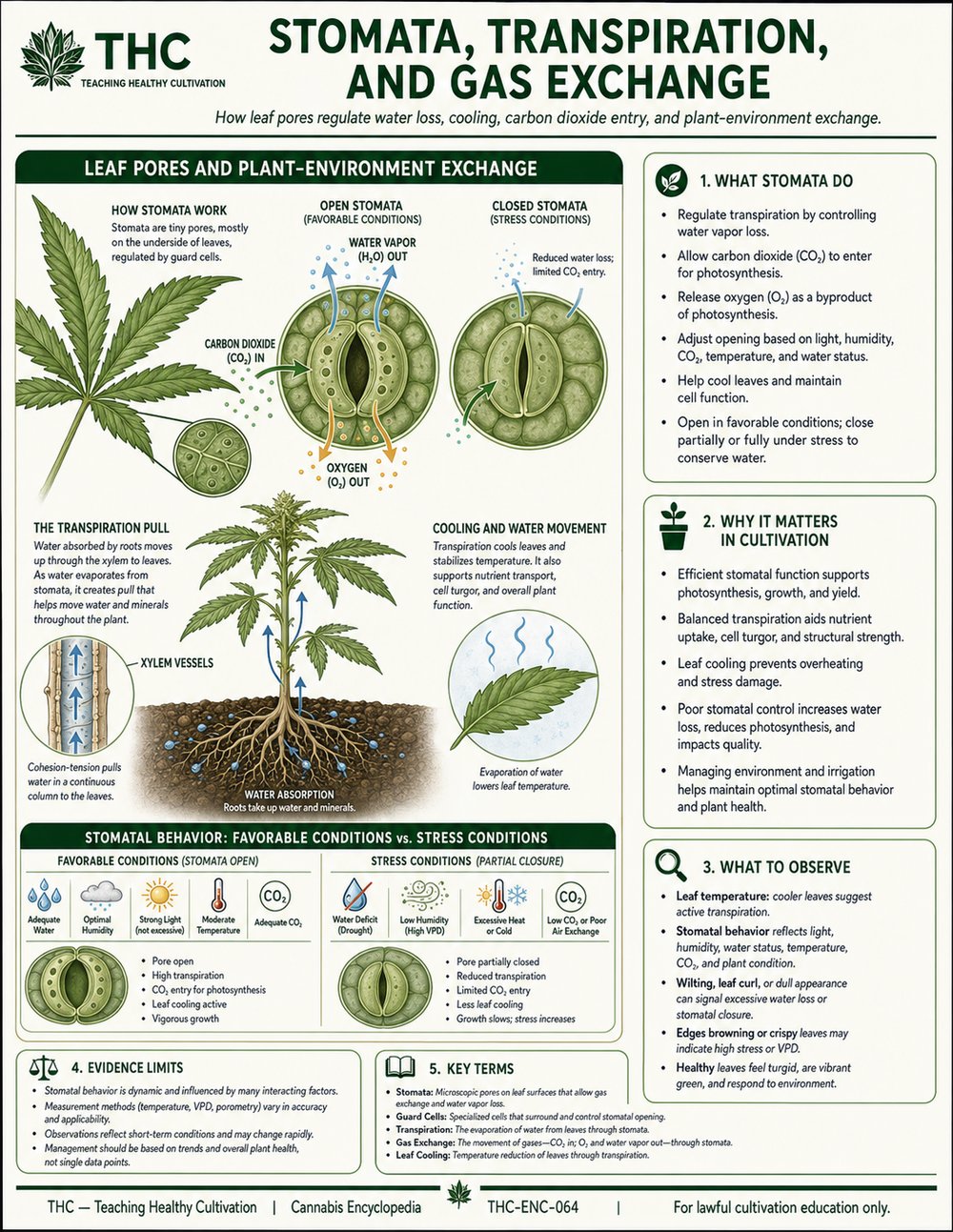
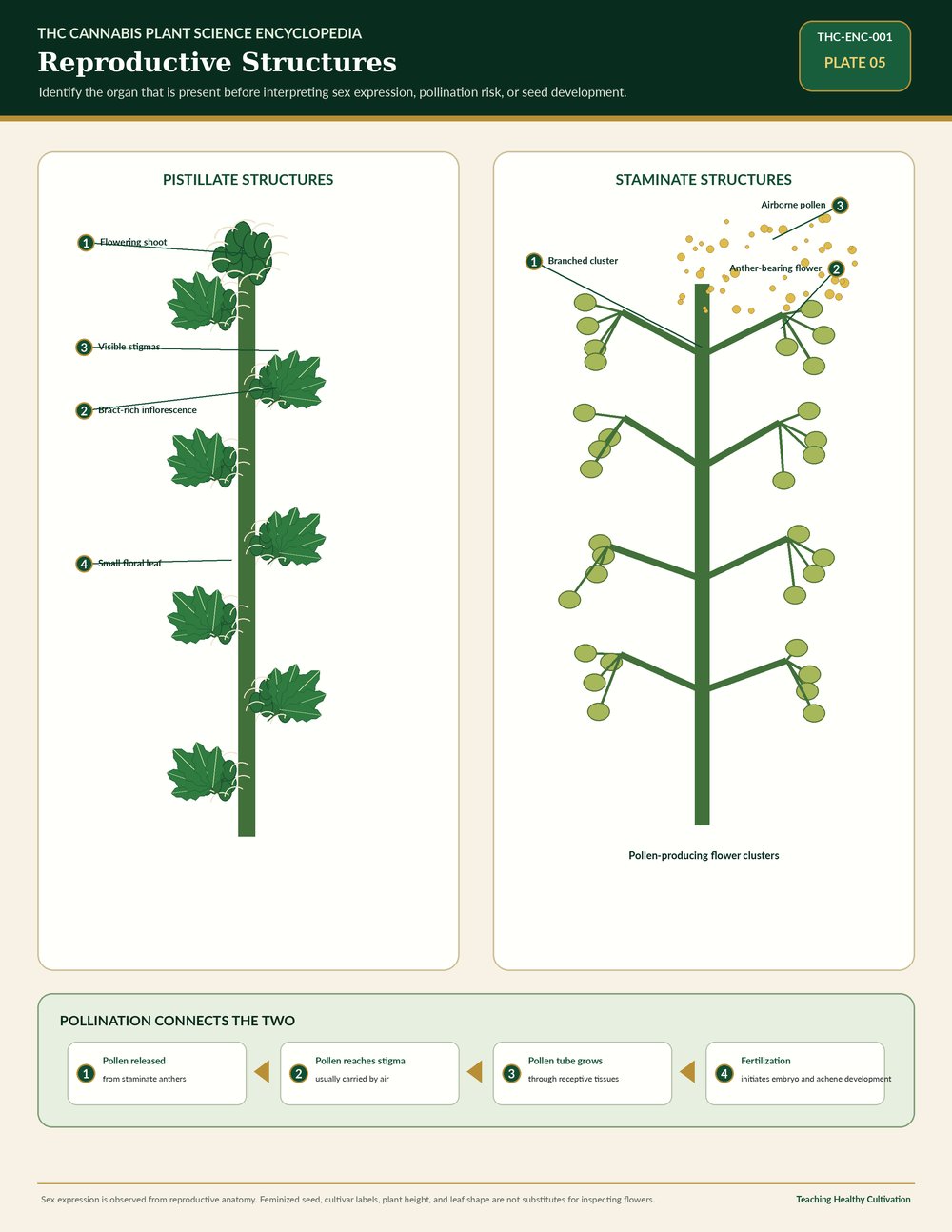
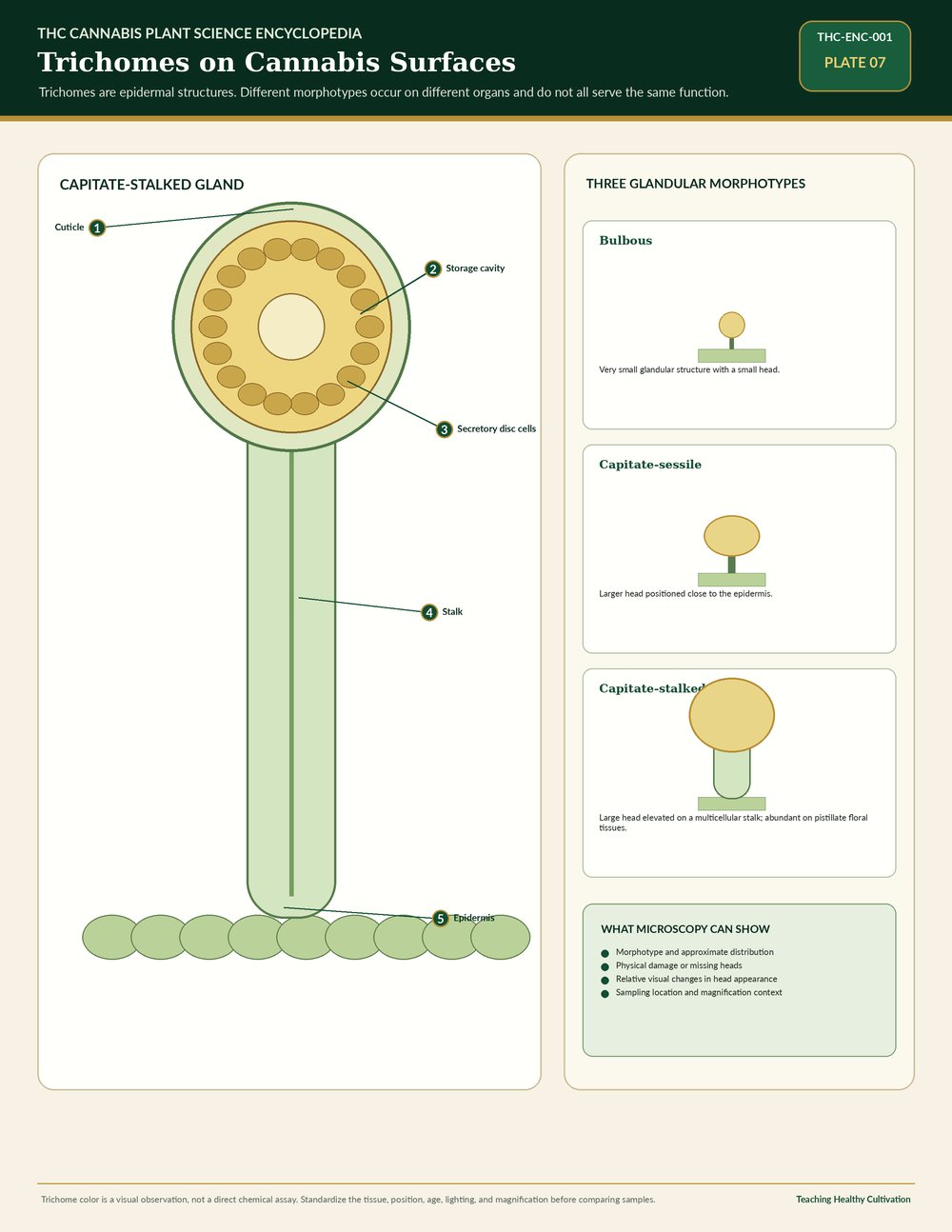
Systems still awaiting a dedicated scientific visual: Stem & Vascular System · Mineral Nutrition & Ion Transport · Hormones & Plant Signaling · Stress, Defense & Acclimation. Their lesson/system content remains available without substituting an unrelated image.
Compare systems
Place two plant-science systems side by side to compare their functions, measurements, evidence questions, cautions, and connected tools.
Scientific workflow
The Atlas connects what a structure is, what it does, what changes its behavior, and what evidence supports or weakens a plant-health explanation.
Start with anatomy, age, position, tissue boundaries, vascular connections, reproductive structures, and a healthy baseline.
Anatomy →Ask whether the structure is fixing carbon, transporting water or sugars, exchanging gases, signaling, reproducing, defending, or absorbing.
Physiology →Map location, distribution, time course, environment, root-zone data, pest evidence, recent changes, and recovery response.
Diagnostics →Deep labs
Use the 3D plant for spatial orientation, then move into dedicated anatomy, physiology, reproductive, and diagnostic modules for detailed study.
Leaf anatomy, stomata, photosynthesis, transpiration, environmental stress, chlorosis, necrosis, curl, nutrient-pattern language, and pest damage.
Open Leaf Lab →Deep labRoot anatomy, rhizosphere, water uptake, nutrient uptake, root oxygen, dryback, root-zone diagnostics, and root-rot pattern recognition.
Open Root Lab →Deep labInflorescences, bracts, sugar leaves, stigmas, reproductive surfaces, maturation, and the anatomy that supports resin-rich floral tissue.
Open Flower Lab →Connected atlasMove from glandular trichome anatomy into terpene chemistry, compound families, evidence-backed Cannabis occurrence, sample measurements, aroma descriptors, and cultivar comparisons.
Open Terpene Atlas →Deep labPattern language, tissue location, progression, environmental evidence, root-zone context, pests, pathogens, and differential diagnosis.
Open Diagnostic Lab →Study systemTrack which of the 16 systems you visited, explicitly mark systems complete, and follow guided paths without confusing study progress with certification.
Open Study Dashboard →Field evidenceRecord location, pattern, progression, measurements, working differentials, and the next discriminating check before deciding what a symptom means.
Open Observation Notebook →Approved reference visuals
These approved references complement the 3D model with seed, root-tip, node, reproductive, stomatal, and trichome-scale detail.
Developmental context
Development changes source-sink relationships, architecture, reproductive priorities, tissue age, water demand, and the meaning of visible symptoms.